
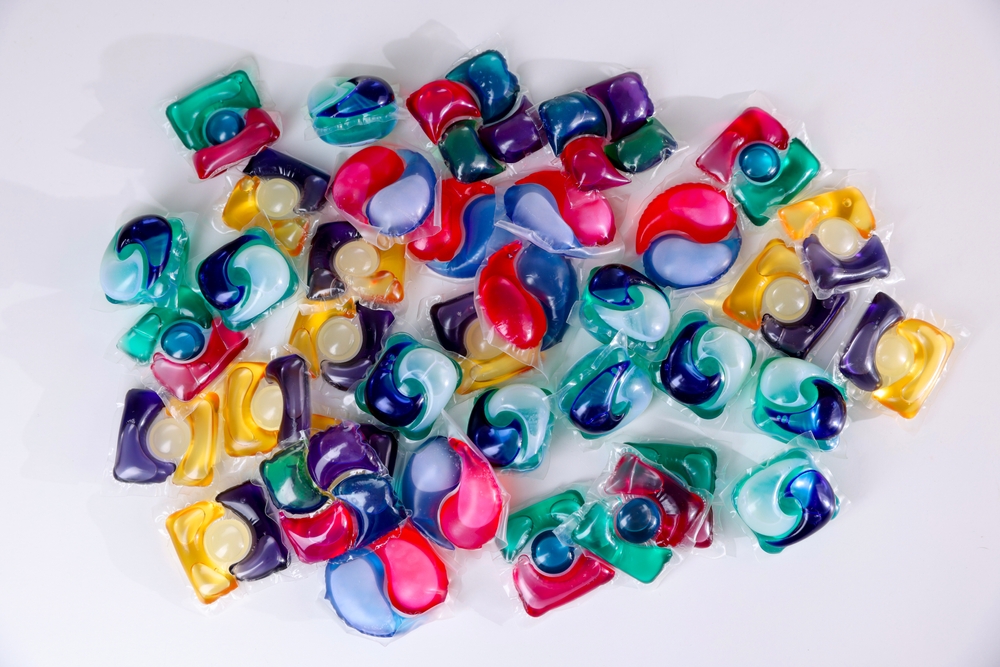
Biodegradable, water-soluble pods made from advanced polyvinyl alcohol (PVA) films have moved far beyond their early association with laundry detergents. Today, they are enabling safer handling of chemicals, reducing packaging waste, improving dosing accuracy, and unlocking efficiencies across industries—from agriculture and water treatment to healthcare and personal care.
At the core of these applications is a mature, high-performance PVA film technology that combines precise solubility, mechanical strength, safety, and environmental responsibility.

Household and commercial detergents were among the first products to benefit from water-soluble pod technology.It has simplified the way we do our laundry and dishes. We don’t need to fiddle with large bottles of detergent and conditioners, and deal with the mess they leave around the washing machines. As consumers demand more concentrated formulations with less packaging, pre-measured unit doses offer clear advantages.
Water-soluble pods ensure accurate dosing, eliminate spills and overuse, and improve user safety by minimizing direct contact with cleaning chemicals. The films dissolve completely in washing machines and dishwashers, leaving no residue while simplifying logistics and reducing packaging waste.
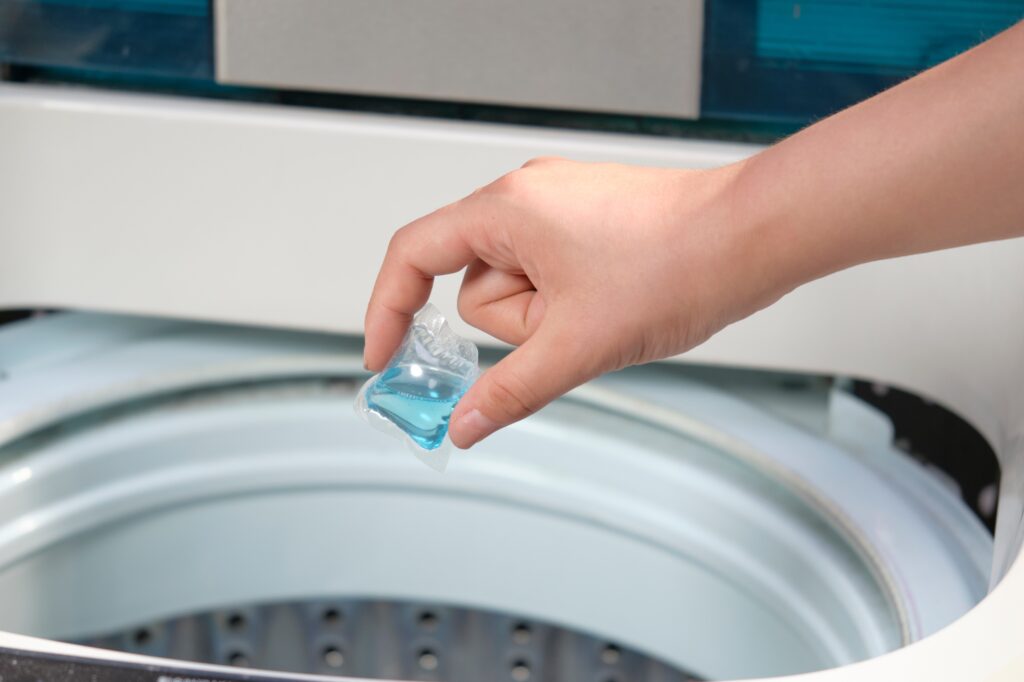

Fertilizers and agrichemicals—including pesticides, herbicides, insecticides, and fungicides—are essential for modern agriculture but can be hazardous if mishandled. Encapsulating these products in biodegradable, water-soluble pods allows both professional growers and home users to apply them more safely and accurately.
The pods prevent direct contact with toxic substances, protect formulations from degradation caused by oxygen exposure, and dissolve fully upon application. This improves safety, preserves product efficacy, and supports more sustainable agricultural practices.

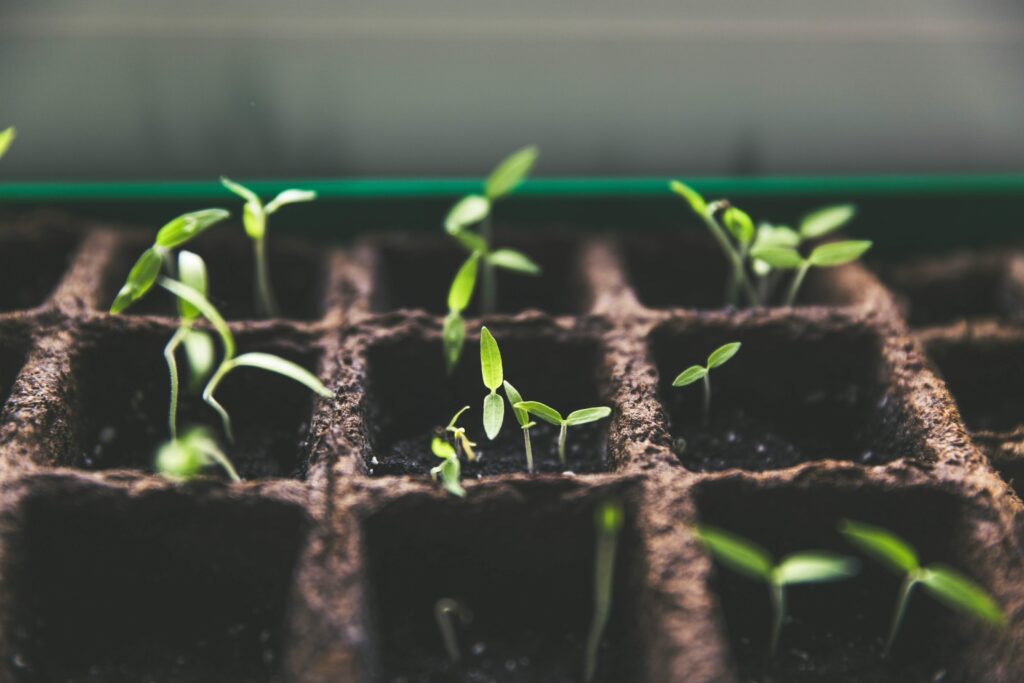
In gardening and horticulture, water-soluble PVA films can be used to create dissolvable seed packets or soil amendments. These packets can be placed directly on or beneath the soil surface and dissolve upon watering, simplifying planting and reducing waste.
Such applications improve convenience for gardeners while ensuring that no packaging remains in the soil after use.

Water treatment is critical across industrial sectors, including heating, cooling, processing, cleaning, and wastewater management. Many treatment chemicals—such as pH modifiers, coagulants, and metal precipitants—can be hazardous to handle.
Water-soluble pods enable precise delivery of these chemicals into wells, tanks, pipelines, and standing bodies of water. Larger pod formats can be used for industrial ponds, landfills, and even commercial or residential pools, reducing handling risks and improving dosing efficiency.

Drain cleaning products often contain highly corrosive chemicals designed to break down organic matter, grease, and hair. Water-soluble pods allow these chemicals to be safely packaged in single-use doses, reducing exposure risks for users.
The pod dissolves only when it reaches water, ensuring controlled release and safer handling throughout storage and use.

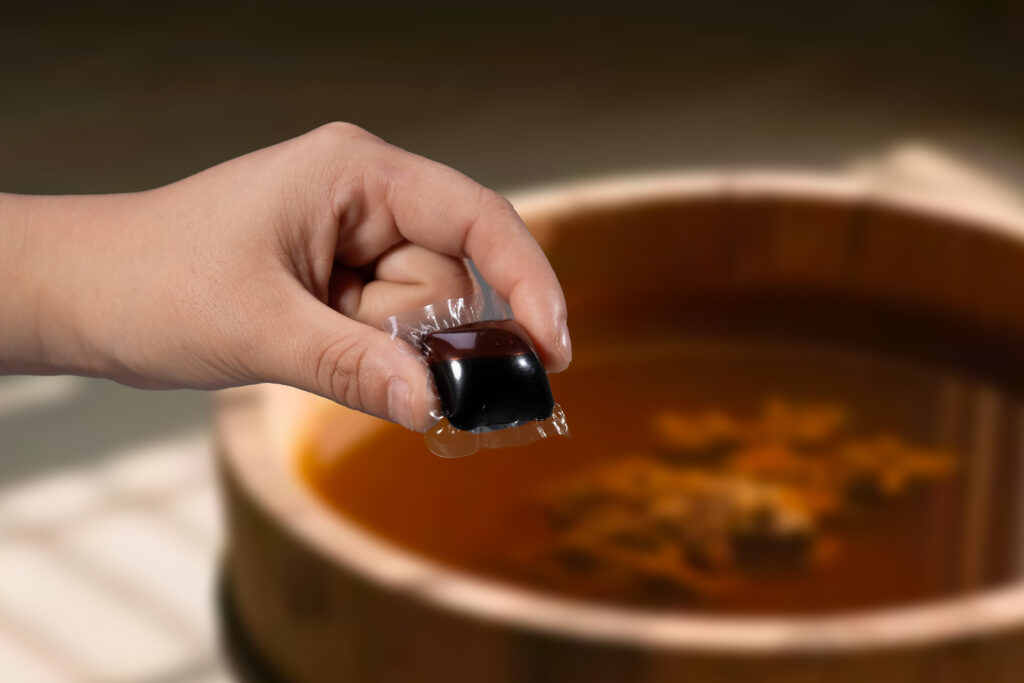
Water-soluble pods are increasingly used in personal care applications such as bath salts, soaps, and mineral blends. Pre-measured pods simplify use, ensure consistent dosing, and enhance the user experience by dissolving cleanly upon contact with water.
This format also supports the shift toward low-waste, plastic-free personal care packaging.

In portable sanitation systems, including mobile toilets, water-soluble pods can deliver cleaning, deodorizing, and sanitizing compounds directly into holding tanks. This ensures rapid dispersion, improved hygiene, and reduced operator exposure to chemicals.

In medical and laboratory settings, water-soluble pods are used to introduce solidifying agents into containers holding biohazardous fluids such as blood or urine. The pod format minimizes handling risks and allows precise dosing in sensitive environments.

Modern PVA pod films are engineered not only for performance but also for safety. In addition to the base polymer, films may incorporate minor functional additives that discourage ingestion through extremely bitter taste profiles.
As do all leading PVA film makers, Sengong’s PVA films feature Bitrex, a brand of the chemical denatonium, to prevent pod ingestion. This quaternary ammonium compound, a cation usually paired with a benzoate or saccharide anion, is billed as the most bitter known substance known to man.
These additives are widely used across industries to prevent accidental consumption and are harmless at the concentrations employed.

The environmental fate of water-soluble PVA films has been extensively studied. Regulatory authorities in Europe, North America, and the Nordic region recognize the grades used in pods as readily biodegradable.
Standardized testing shows that these materials are broken down by microorganisms, converting the majority of their carbon content into carbon dioxide and microbial biomass within weeks under controlled conditions. This supports their use in applications where environmental responsibility is a priority.


Water-soluble pods can significantly reduce reliance on traditional plastic packaging. By eliminating bottles, caps, and multilayer sachets, pod systems lower material consumption, reduce transportation weight, and decrease overall plastic waste.
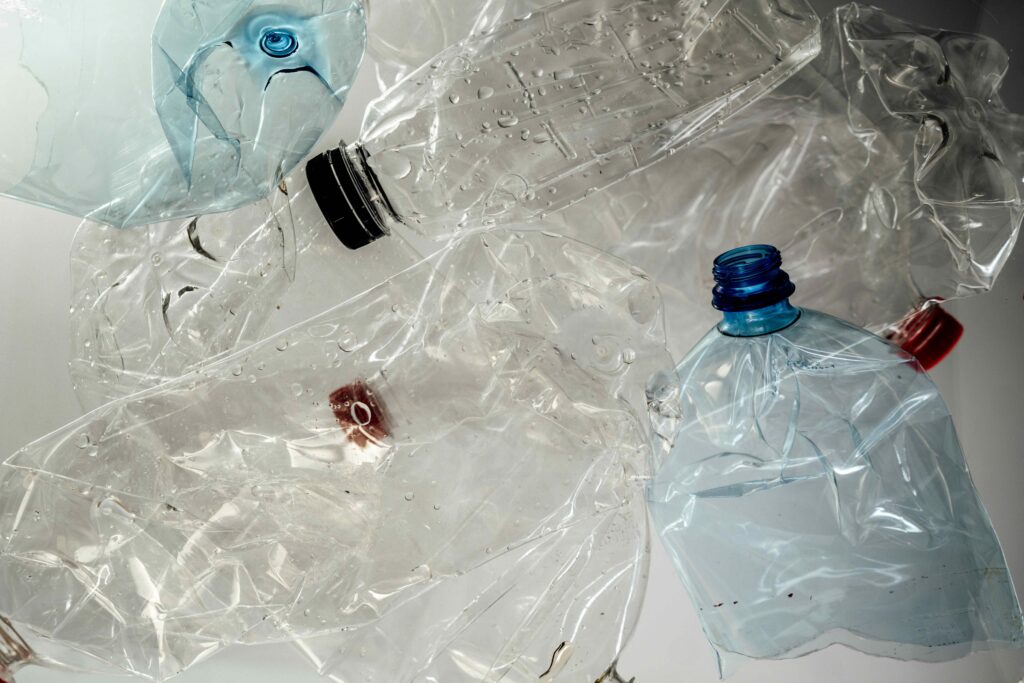
At scale, these reductions translate into meaningful environmental benefits across home care, personal care, and industrial sectors.
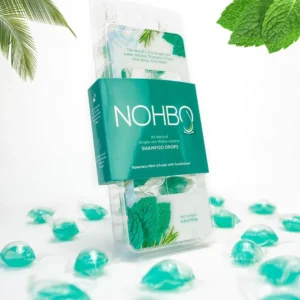
As an example, an online brand, Nohbo, featured on a popular program ‘Shark Tank’, used biodegradable water-soluble material to help simplify its products. Every 1 million of Nohbo’s personal care pods, called ‘drops’, eliminates 1,000 kg of plastic packaging and reduces water use by 4,500 kg. The firm makes about 200 million drops per year. Nohbo has also released a range of water-soluble ‘soap slips’ to replace regular soap dispensers. Users only need to use one water-soluble soap slip each time they wash their hands.

From detergents and agriculture to healthcare and water treatment, biodegradable water-soluble PVA pods represent a versatile platform technology. As film performance continues to improve—through better solubility control, strength, and compatibility—the range of applications will continue to expand.
Behind these innovations are advanced PVA film manufacturers with deep expertise in polymer science, process control, and sustainability—ensuring that water-soluble pod technology remains safe, effective, and ready for global deployment.