
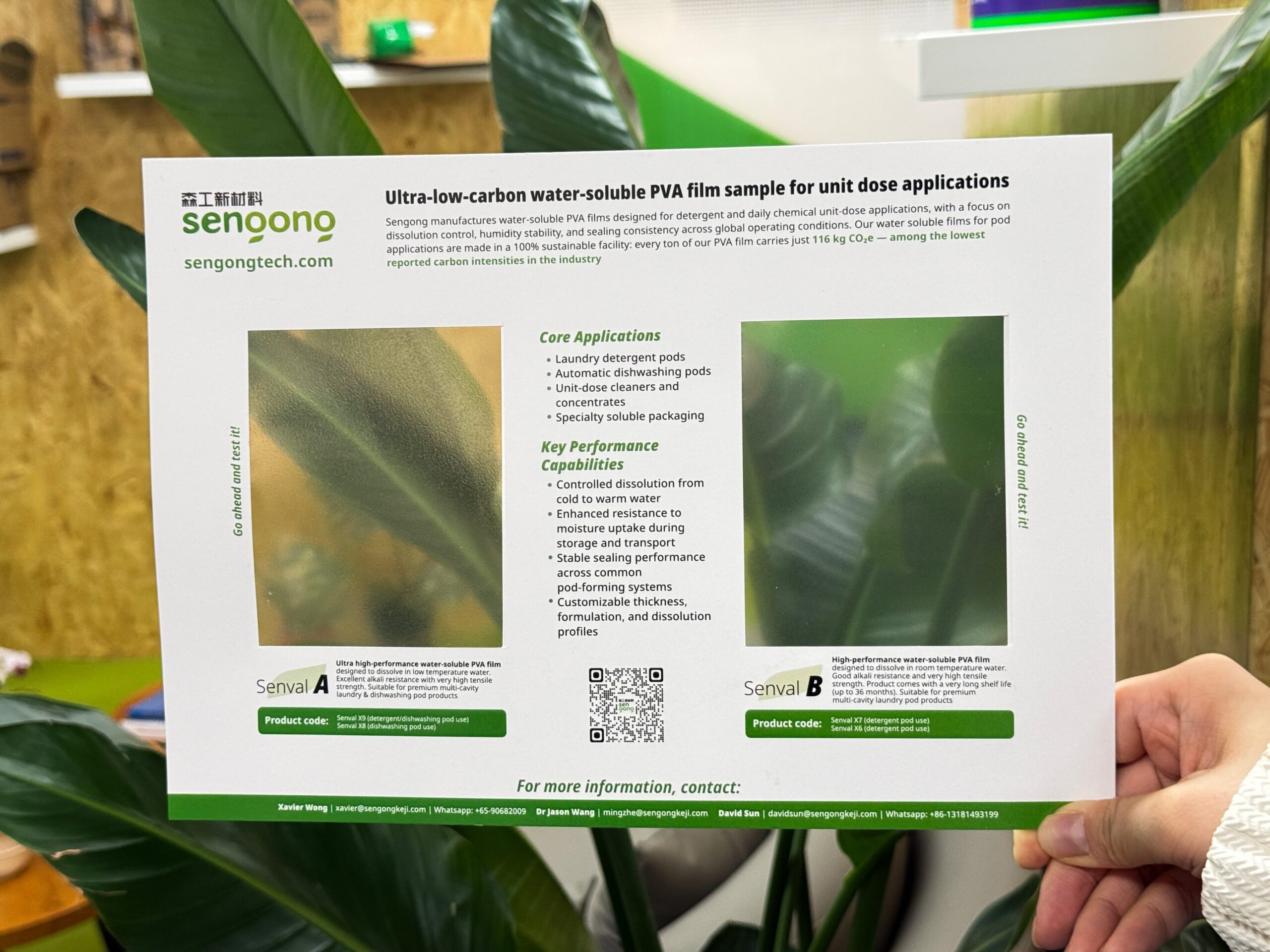
In detergent and daily-chemical pods, consumers notice appearance and convenience first. Manufacturers, however, know that long-term success is rarely defined by pod design alone. It is the water-soluble film — largely invisible to the end user — that determines whether a product can be produced at scale, shipped reliably, and sold with confidence over time. In real manufacturing environments, film performance often reveals problems earlier than formulation or aesthetics, and with far greater cost impact.
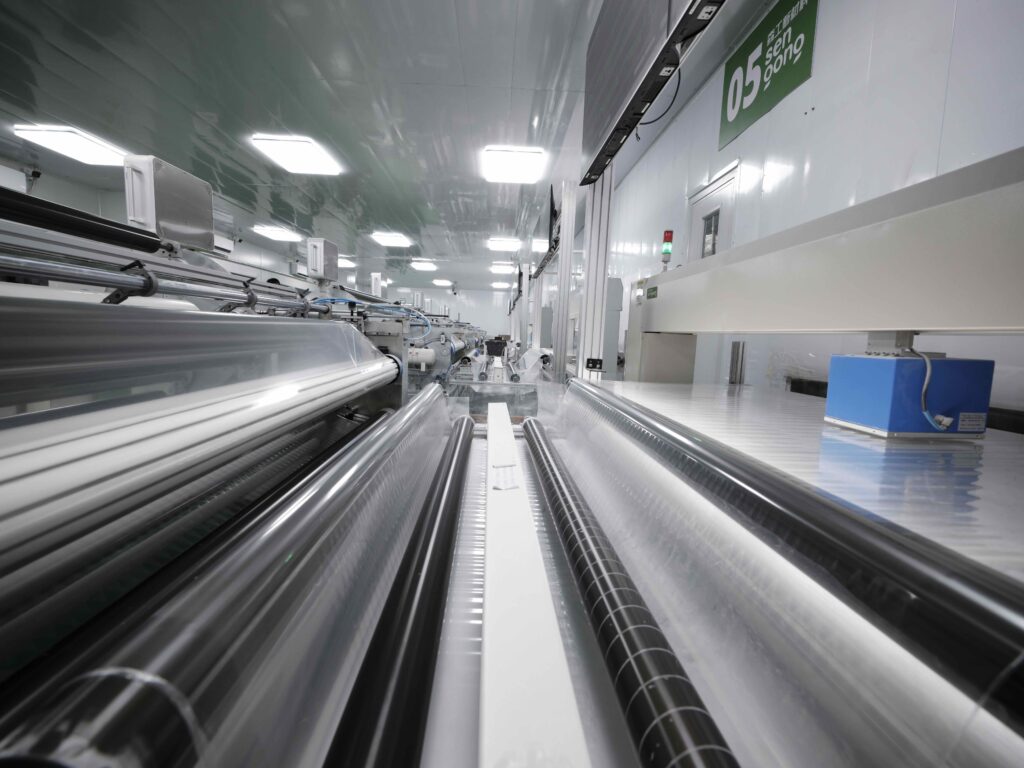
In automated pod manufacturing, PVA film is not a passive wrapper — it is an active component of the forming, filling, and sealing system.
Inconsistent thickness leads to uneven seals and unstable cavities.
Variations in mechanical strength restrict line speed.
Narrow sealing windows increase downtime and scrap.
What appears acceptable in lab trials often becomes a bottleneck in continuous, high-volume production.
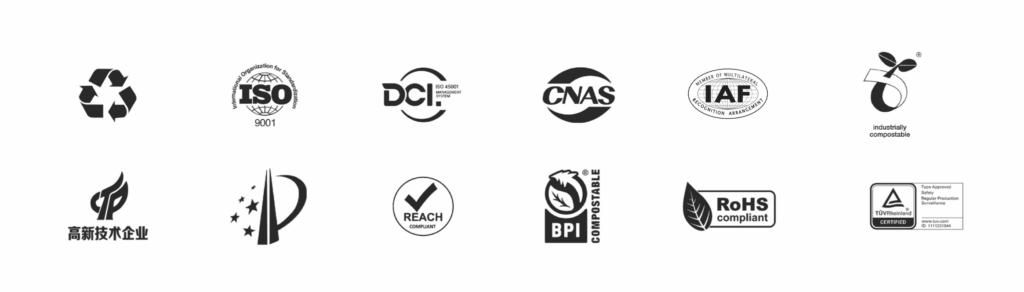
High-performance film is the result of long-term material engineering and manufacturing discipline. Sengong’s PVA films are built on 100% original polymer formulations and certified by EU Seedling, BPI (US), TÜV (Germany), and RoHS standards.
Manufacturing precision is equally critical: Sengong’s film thickness tolerance is controlled to ±0.25 μm — finer than 1/200 of a human hair — while our innovative production process delivers an industry-leading defect rate of just 1 in 100,000, dramatically reducing leakage and scrap.
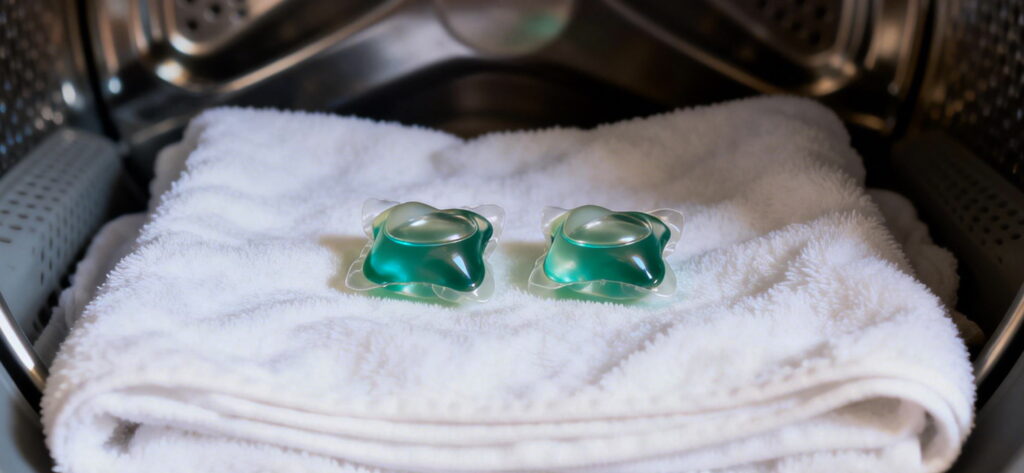
Leaks, deformation, and sticking are often blamed on formulation or storage. Moisture permeability and film aging are frequently the root causes. Through polymer design, crystallinity control, and film-structure engineering, well-designed PVA films, such as the ones from Sengong, can deliver 12–36 months of reliable shelf life, supporting long-distance logistics and extended retail storage.
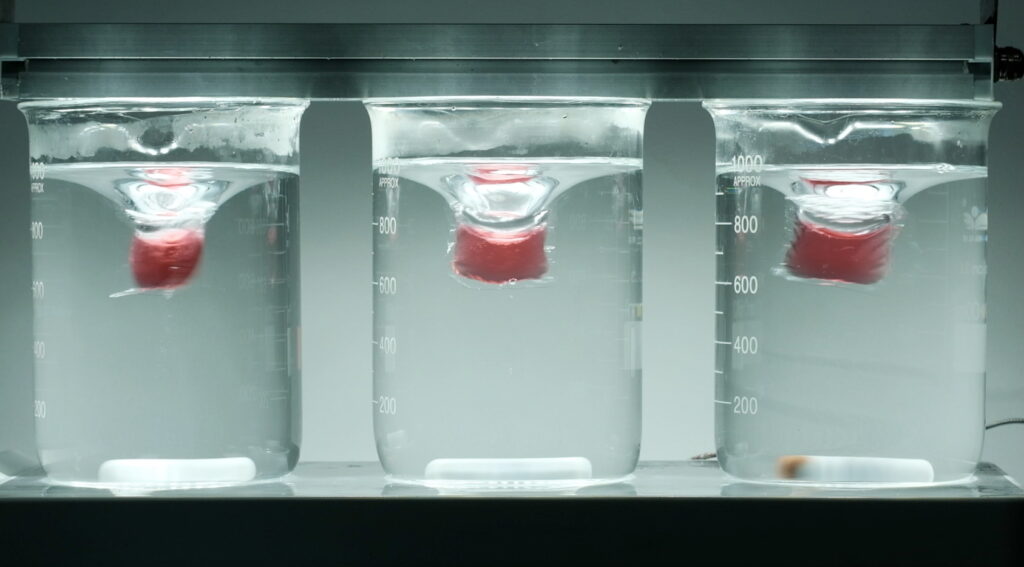
Fast dissolution is expected by consumers, but from an engineering perspective, it must be carefully tuned. High-quality PVA films dissolve efficiently in cold-to-room-temperature water while maintaining alkali resistance, tensile strength, and aging stability — ensuring reliability from production to end use.
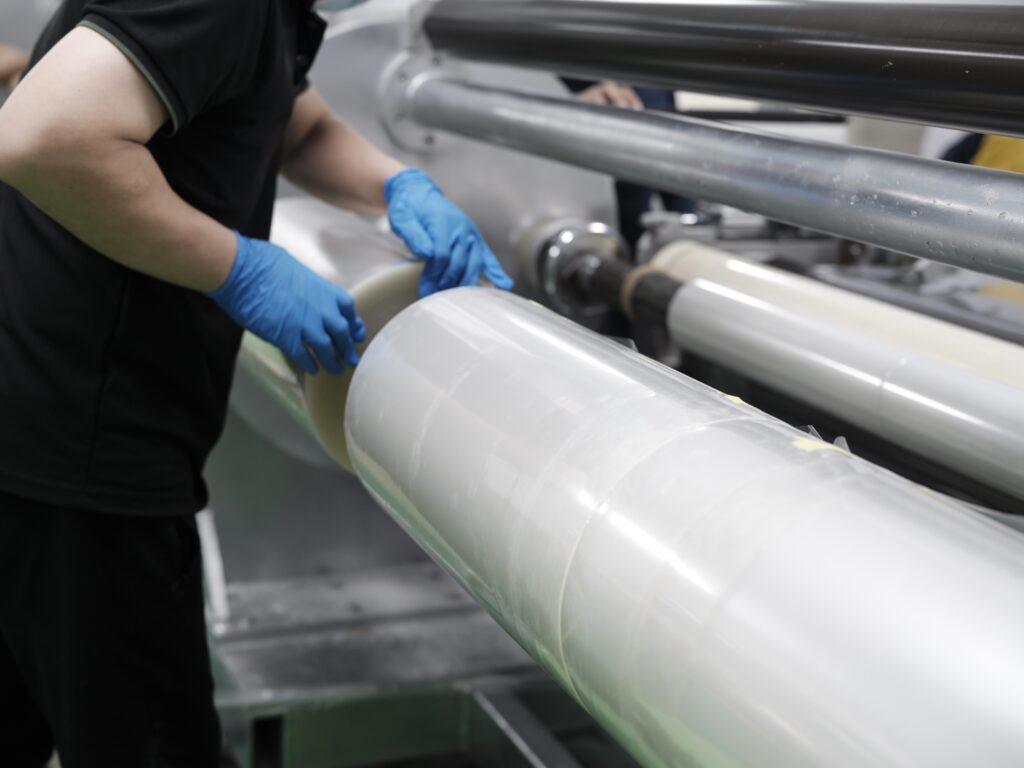
Pod design can evolve. Colors, shapes, and formulations change. But if film quality is inconsistent, none of these innovations scale reliably. Film performance ultimately determines whether a pod can be manufactured efficiently, shipped safely, and stored without failure.
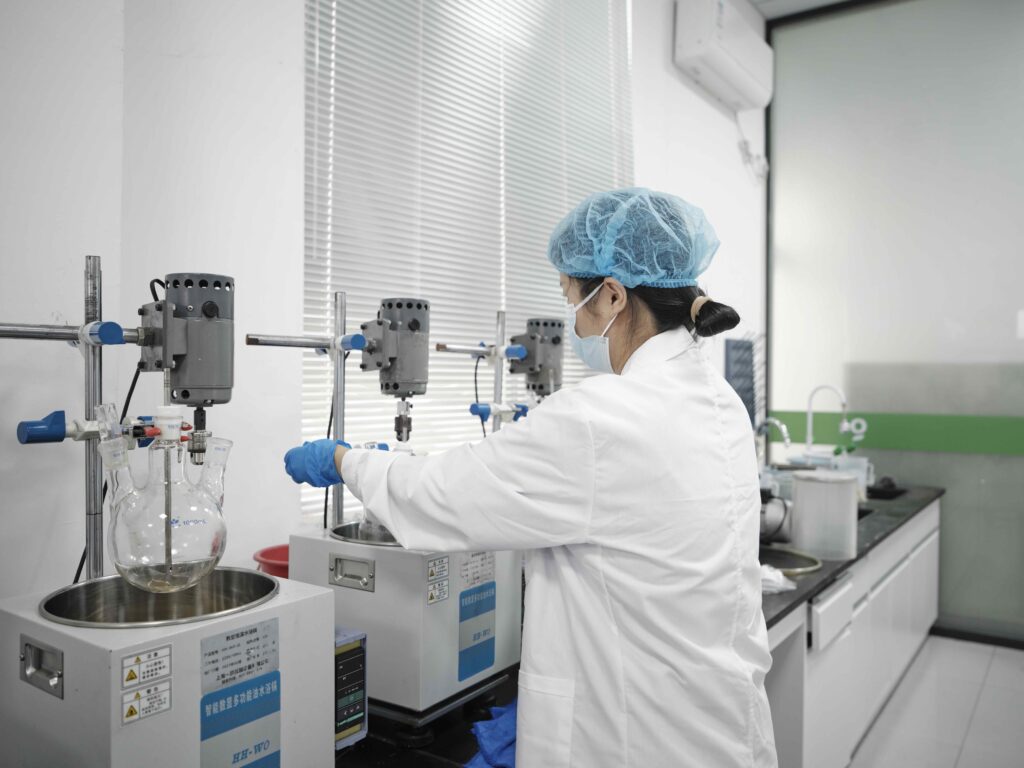
For single-dose manufacturers, the most valuable investments are in the constant R&D of the water – soluble film that allows the pods to do what they do – hold the detergent and release it at the right time, and biodegrade after use. The consistent, long-term engineering of film performance is key. When the water soluble film is treated as a foundational system element rather than a consumable, detergent pod makers and users can rest assured that detergent pods aren’t just convenient, they’re also sustainable and environmentally responsible.