
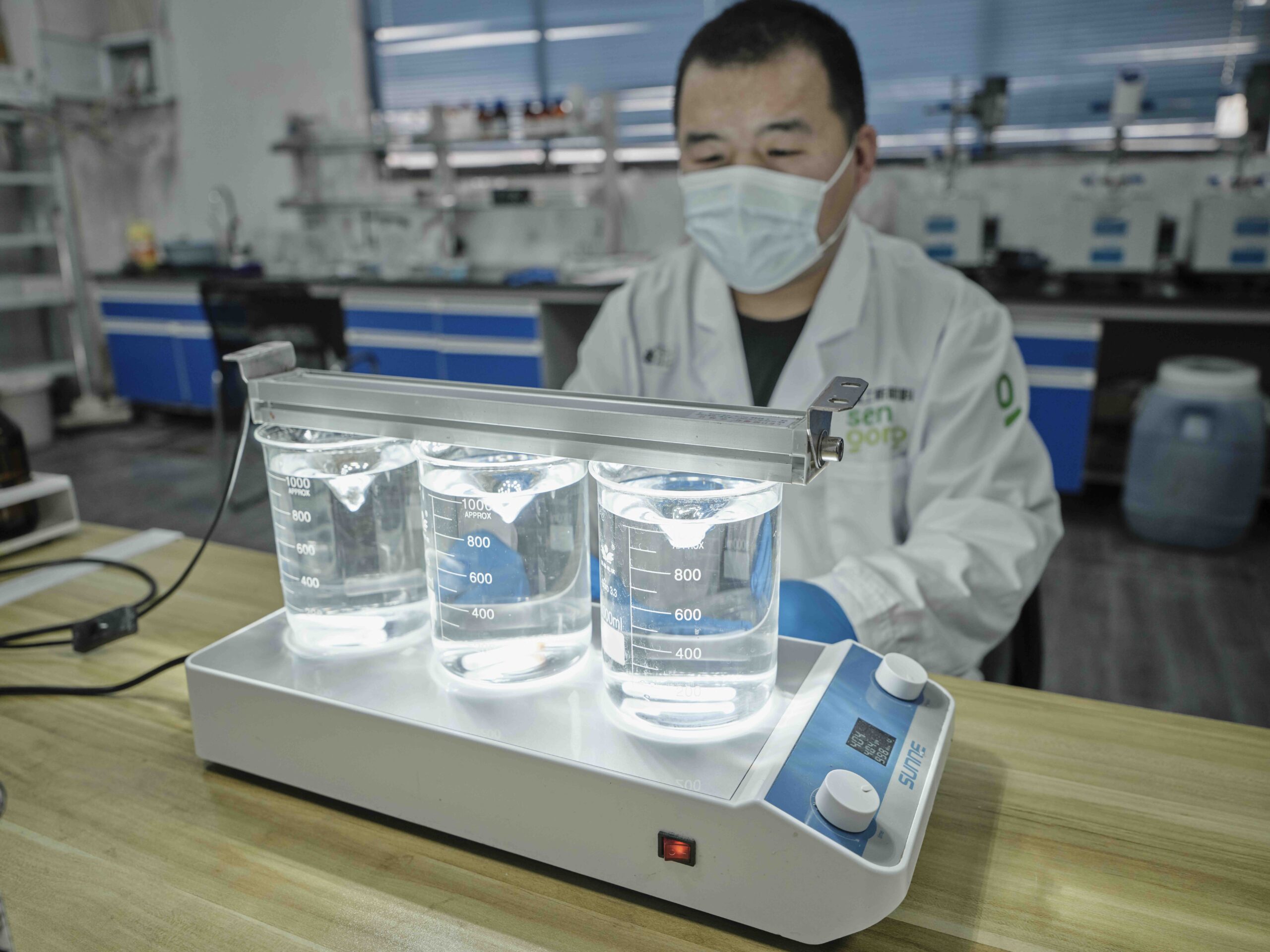
For many people, PVA (polyvinyl alcohol) is simply ‘a material that dissolves in water.’ But in industrial reality, high-performance PVA films are highly engineered functional materials. The true value of a PVA film lies not in whether it dissolves, but how precisely it performs:
dissolution temperature
dissolution timing
converting-line compatibility
alkali resistance
humidity stability
residue-free performance
chemical compatibility
Take detergent pods as an example. The film must dissolve rapidly in cold water while remaining stable during transportation, storage, and high-speed filling operations. If the material lacks consistency, it can lead to leakage, burst pods, or production downtime.
This is why the real competitive edge in PVA lies in polymer engineering and manufacturing precision.

At Sengong, we have spent years developing advanced PVA materials, building a portfolio of more than 130 proprietary formulas and over 25 patents. Rather than offering generic commodity films, we engineer materials around specific industrial needs.
For example, we can engineer:
temperature-to-dissolution profiles
cold-water solubility versus shelf-life stability
softness versus mechanical strength
alkali resistance for multi-chamber pods
high-speed converting compatibility
residue-control performance for specialized applications
What truly differentiates high-performance PVA films is not only formulation — but how the material is manufactured.
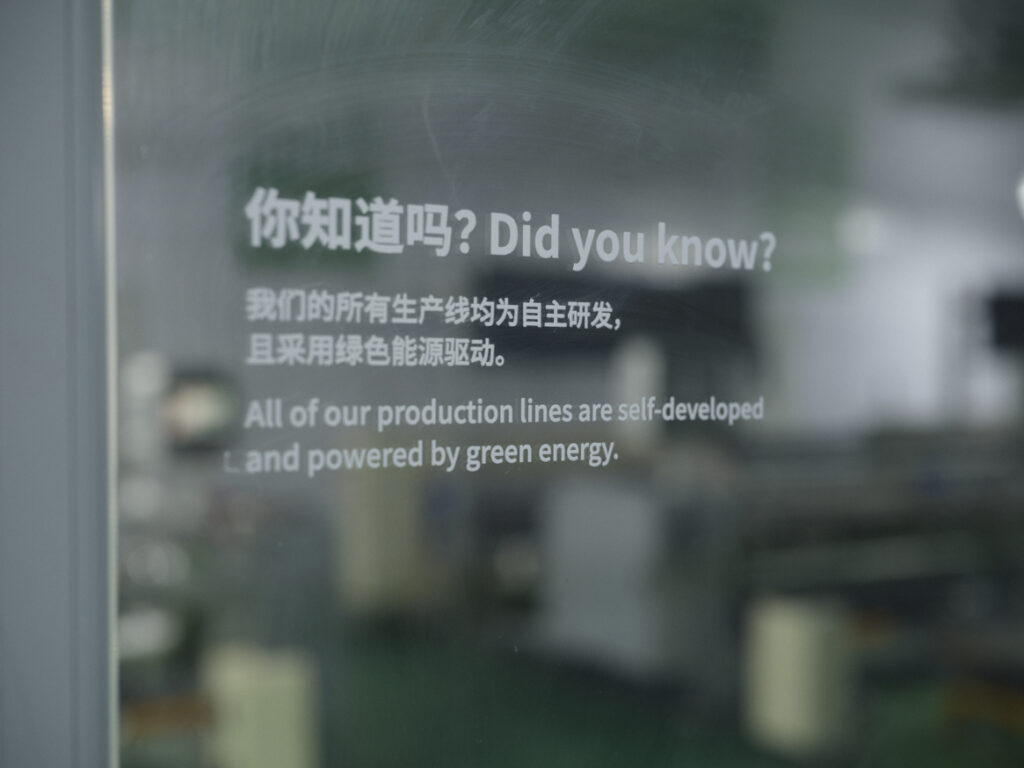
Sengong’s next-generation low-carbon smart factory uses recycled steam systems as a core energy source, significantly reducing manufacturing emissions and energy consumption. Our custom-engineered production lines can also deliver up to four times the output efficiency of conventional systems while improving thickness consistency and stability.
This manufacturing approach enables our films to achieve:
higher toughness
faster and more stable cold-water dissolution
lower residue performance
stronger ageing resistance
better detergent compatibility
more reliable large-scale industrial consistency
Today, PVA is expanding far beyond detergent pods into logistics packaging, agriculture, medical materials, electronics, and functional textiles.
The future of the PVA industry will not be defined simply by who can manufacture the material — but by who can precisely engineer performance while scaling sustainable production.