

For decades, consumers have associated larger packages with better performance. Bigger bottles of liquid detergent and larger bags of powder seemed to signal greater cleaning power. Modern cleaning science, however, is proving something very different: performance is determined not by package size, but by the concentration of active ingredients and the advancement of material technology.
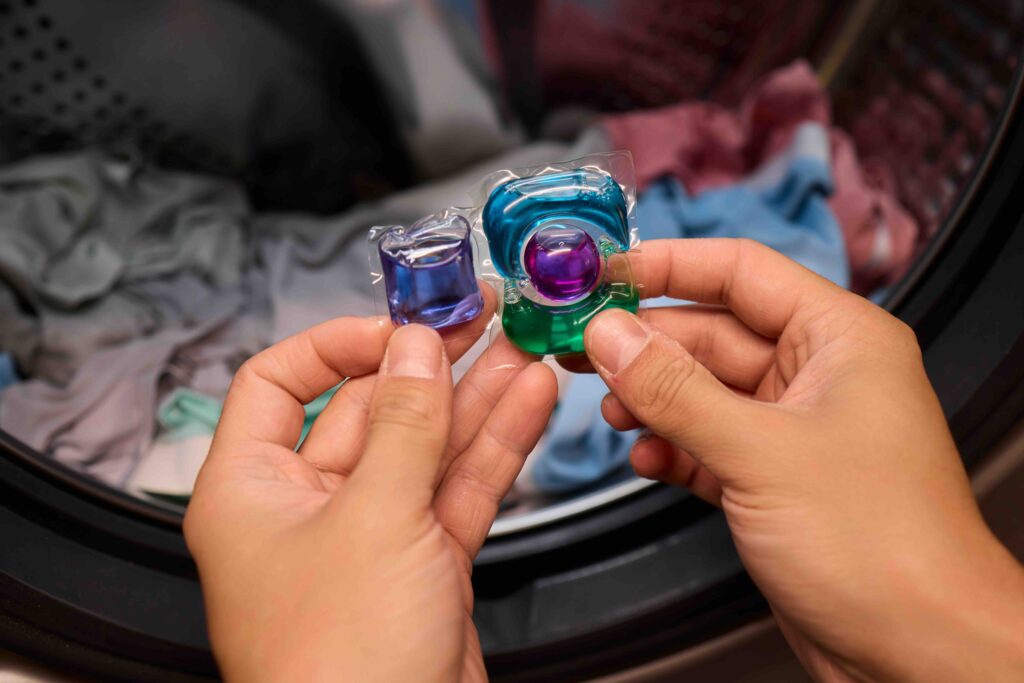
Laundry pods are perhaps the most visible example of this transformation. Many consumers ask the same question when they first encounter a pod: “Can something this small really clean as effectively as traditional liquid detergent?”
The answer is yes. Pods are smaller not because they contain less cleaning power, but because modern formulation science has concentrated the active ingredients into a highly efficient format. Traditional liquid detergents contain surfactants, enzymes, builders, and other cleaning agents, but they also contain significant amounts of water. While water helps with handling and product stability, it contributes little to the actual cleaning process.
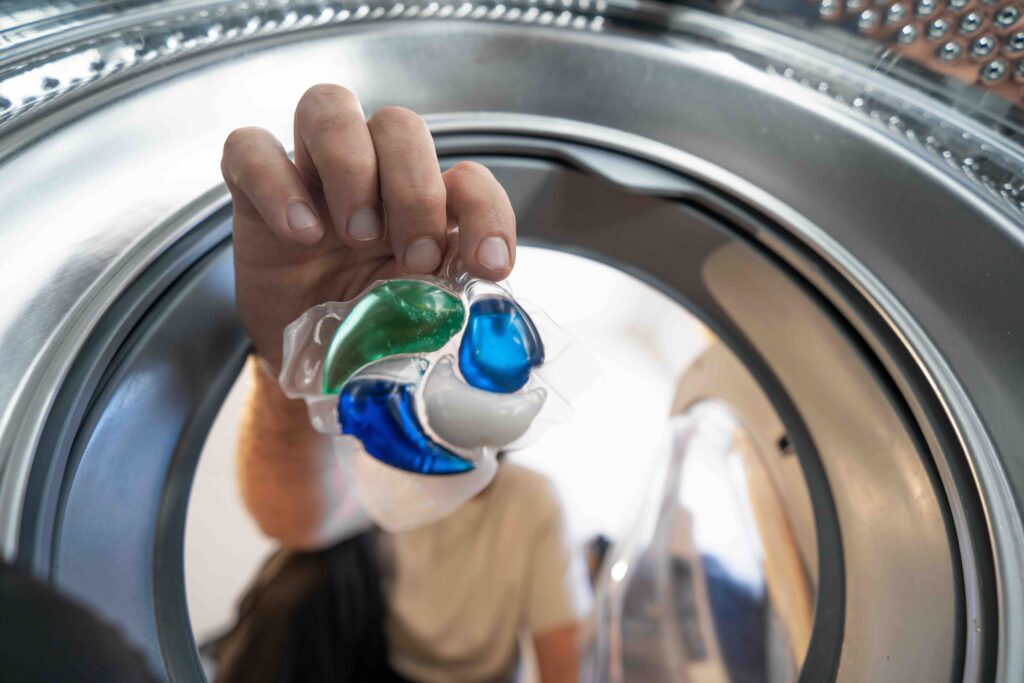
In other words, traditional liquid detergent formats require brands to manufacture, package, transport, and store a substantial amount of weight that is not cleaning power itself. Pods take a different approach by concentrating active ingredients into a precisely measured single-use dose, eliminating guesswork for consumers.
This concentrated format delivers meaningful advantages throughout the value chain: less plastic packaging, lower transportation weight, reduced warehousing requirements, improved shelf-space efficiency, and lower logistics costs. For brands, this translates into reduced carbon emissions and improved operational efficiency. For consumers, it means greater convenience and more consistent dosing.
However, concentrated detergent chemistry creates its own challenges. Pod formulations often contain higher levels of active ingredients, more complex chemical systems, and stronger alkaline environments. Without a material capable of safely containing these formulations, detergent pods could not exist as a commercial product.
This is where PVA (polyvinyl alcohol) water-soluble film becomes essential. To consumers, it appears to be nothing more than a transparent wrapper. To material scientists and engineers, it is a sophisticated technology platform.
A high-performance PVA film must perform multiple functions simultaneously. It must withstand transportation and storage stresses, remain stable in humid environments, run reliably on high-speed production lines, maintain compatibility with concentrated detergent chemistry, and then dissolve rapidly during washing while minimizing residue.
These properties often compete with one another. Improving moisture resistance may reduce dissolution speed, while increasing mechanical strength can negatively affect cold-water solubility. Developing advanced PVA films is therefore an exercise in sophisticated polymer engineering.
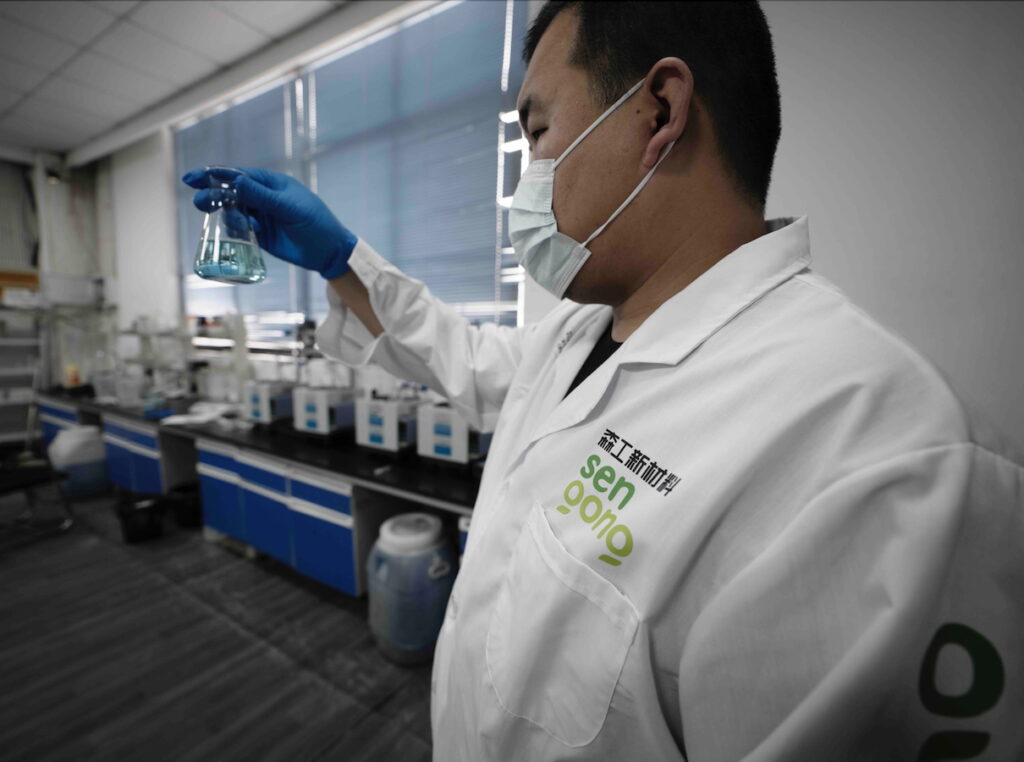
At Sengong, we have spent years advancing PVA material technology. Today, our platform includes more than 130 proprietary formulations and over 25 patents. Through formulation design and process innovation, we can tailor dissolution temperature, dissolution speed, mechanical properties, alkali resistance, ageing resistance, and shelf-life performance to meet specific application requirements.

At the same time, our next-generation low-carbon smart factory utilizes recycled steam and custom-engineered production lines, improving manufacturing efficiency while reducing emissions. This combination of material innovation and sustainable production allows us to continue advancing the future of water-soluble materials.
The success of detergent pods demonstrates an important lesson: packaging innovation is not simply about changing the package. It is about using advanced materials to deliver equal—or better—performance while consuming fewer resources. The future of packaging will not necessarily be larger. It will be smarter, more efficient, and more sustainable. And often, the material enabling that transformation is a thin PVA film that consumers barely notice.