PVA water-soluble film may appear to be a simple packaging material, but in real-world applications it must work with different formulations, production equipment, packaging structures, storage environments, and end-use conditions. The right PVA film is therefore not simply the film with the highest performance in one area. It is the film that achieves the right balance of properties for the customer’s actual application.
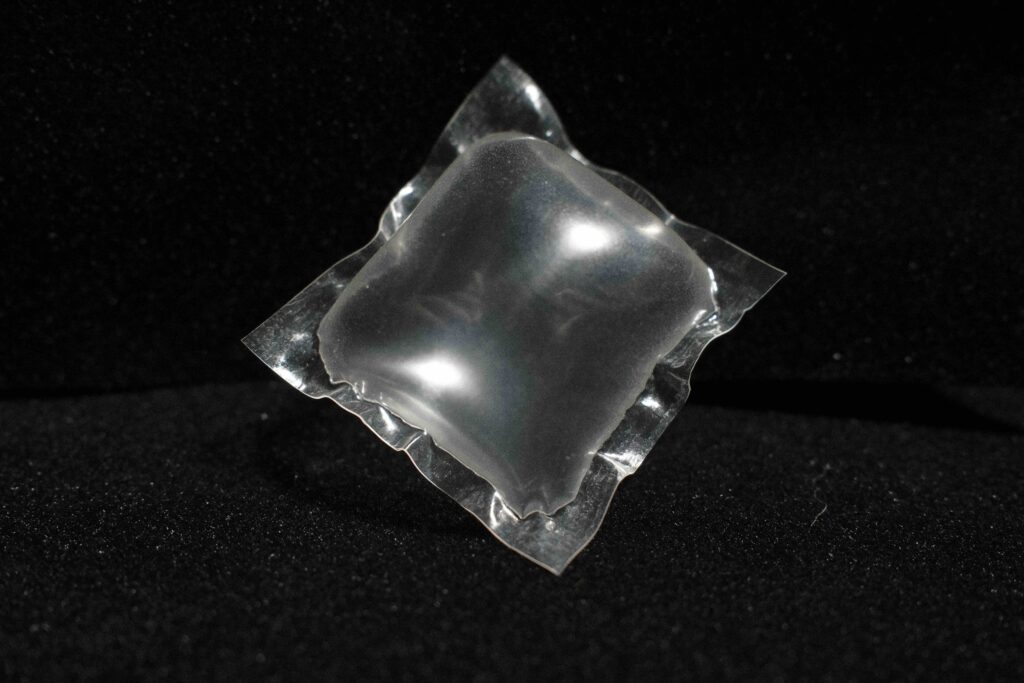
Laundry and dishwasher pods are good examples. Their contents may be liquid, powder, or multi-chamber combinations, while differences in pH, moisture content, and chemical composition can affect the film’s long-term stability. Some formulations require greater relative alkali resistance, others need better barrier properties, while some require the film to maintain stable mechanical and dissolution performance throughout extended storage.
The first question should therefore not simply be, “Which film is the best?” It should be, “What does this film need to package?”
Pod-making equipment differs in operating speed, film tension, sealing temperature, forming process, and other parameters. A film that performs reliably on one production line may not deliver exactly the same results on another.
For high-speed automated lines, the film requires more than strength and flexibility. It must also deliver stable feeding, stretching, forming, and sealing performance. The right material can help reduce film breakage, sticking, sealing inconsistencies, and production waste—allowing equipment to operate more efficiently.
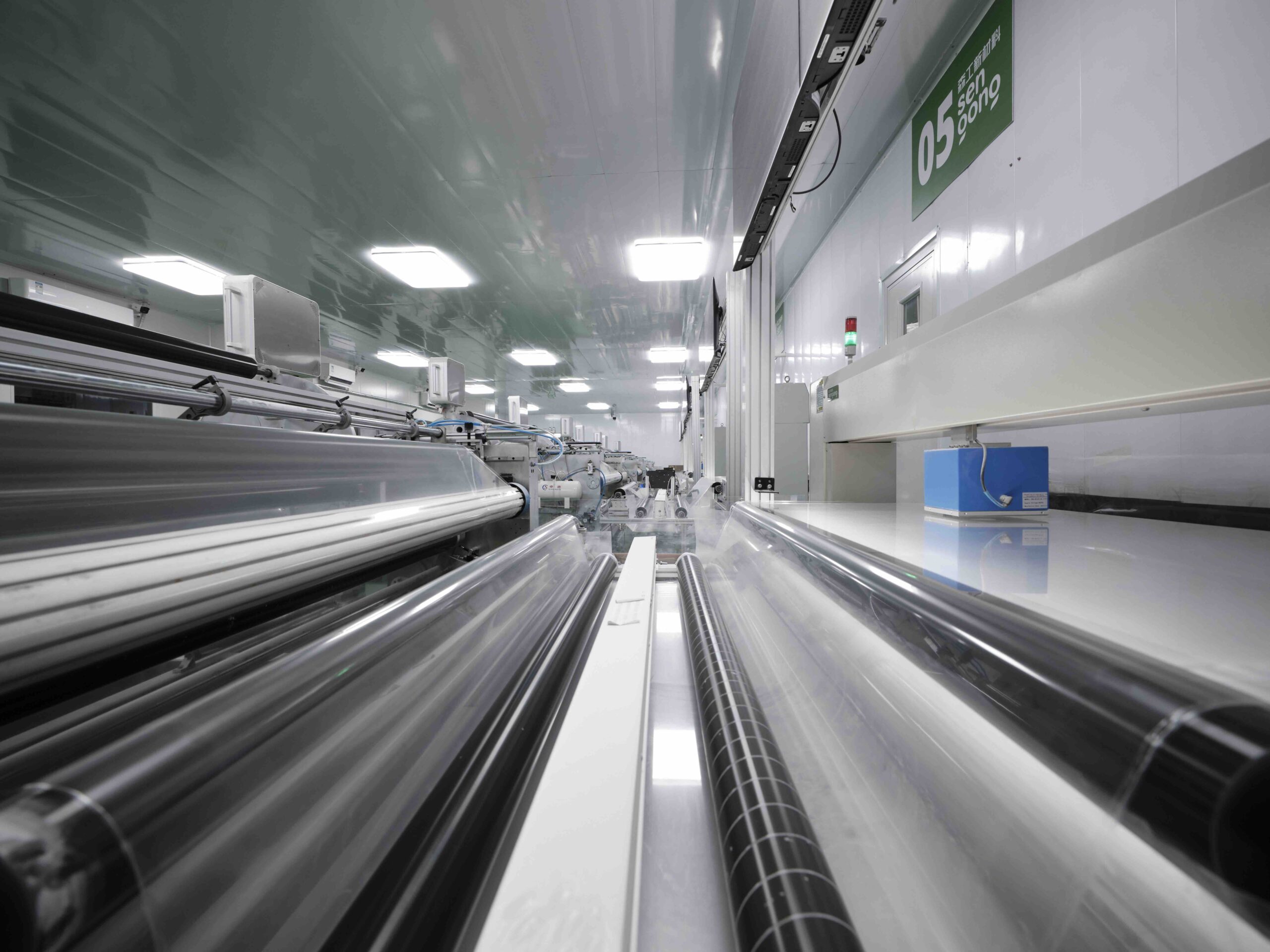
This relationship between equipment and material is also one reason Sengong develops its own PVA film production equipment. Our production lines are designed and engineered in-house specifically to optimize water-soluble film manufacturing efficiency, stability, and energy consumption. Sengong’s proprietary high-speed lines can achieve up to 4× the production efficiency of conventional PVA film production lines.
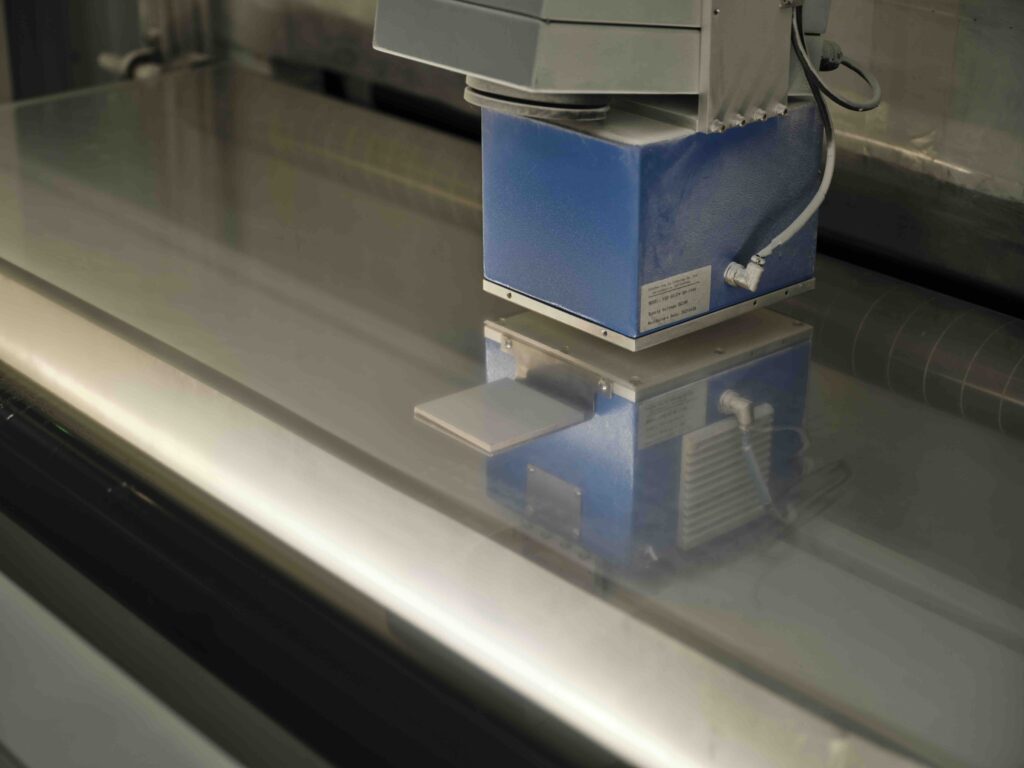
In-house equipment development also gives Sengong greater control over film consistency. Our film thickness tolerance can be controlled to just ±0.25 μm, representing industry-leading precision. In high-speed pod production, consistent film thickness supports more stable stretching, forming, and sealing while helping reduce production variation and material waste.
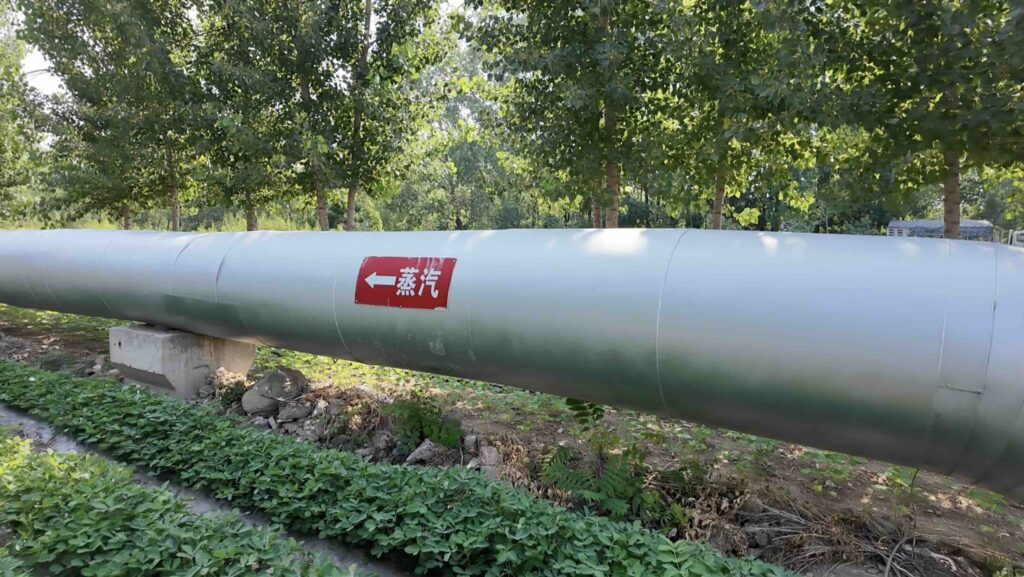
Manufacturing efficiency is not only about speed. It is also about how energy is used.
At Sengong’s manufacturing base, recycled steam sourced from a nearby power plant provides thermal energy for production. Combined with our proprietary low-energy manufacturing process, the system achieves an energy reuse rate of up to 80%, allowing higher production efficiency and greater energy efficiency to be achieved together.
This reflects Sengong’s broader approach to customization. It is not simply about adjusting a film formulation—it is about optimizing the entire system, from materials and equipment to manufacturing processes and energy use.

PVA film must also perform under different market conditions. Water temperature, climate, transportation, and storage conditions vary across countries and regions. Colder markets may place greater importance on cold-water dissolution, while hot and humid environments can demand greater storage stability.
This means faster dissolution is not always better, just as greater strength is not always better. What matters is finding the right balance between dissolution, mechanical strength, flexibility, relative alkali resistance, storage stability, and production compatibility.
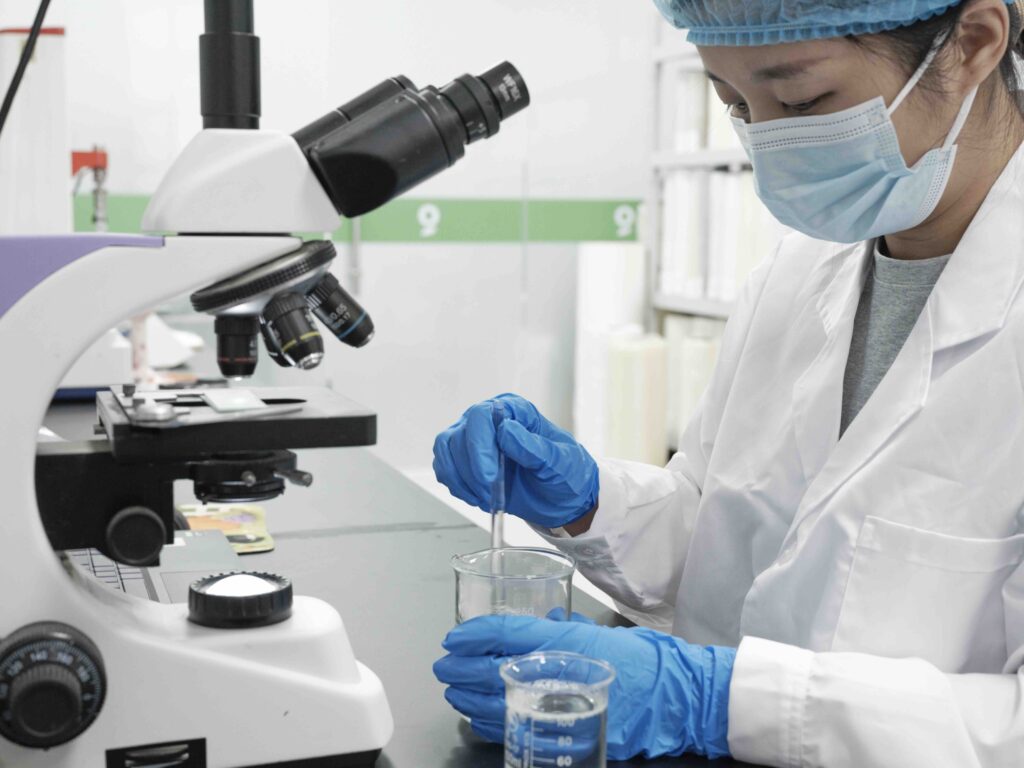
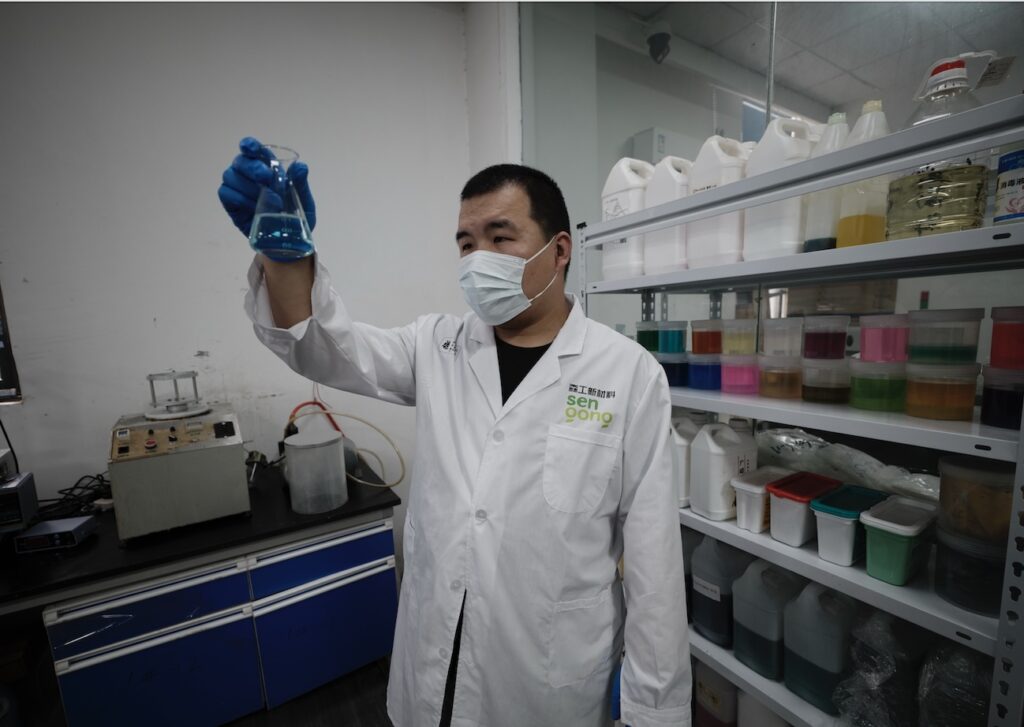
Sengong has developed more than 130 proprietary formulations, allowing PVA film properties to be adjusted according to the customer’s formulation, equipment, and application requirements—including dissolution performance, thickness, strength, flexibility, relative alkali resistance, and formulation compatibility.
The value of customization is not to make the product more complicated. It is to reduce uncertainty in production and application. A properly matched film can improve production stability, reduce material waste and line adjustments, and deliver greater consistency in the finished product.
At Sengong, customization is not an additional service—it is part of material development. From formulation and film performance to production equipment, energy efficiency, and end-use conditions, our goal is to ensure that the material truly works with the customer’s product and manufacturing requirements.