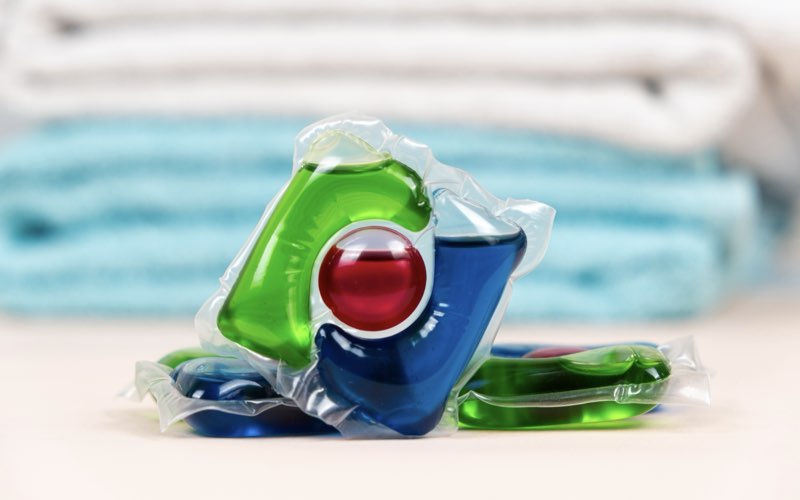
PVA is a unique, plastic-like material that was created in 1924 by German chemists. Since then, it’s been applied in many uses, such as kids’ white glue, contact lens solutions, detergent pods and more. It’s water-soluble, biodegradable and biocompatible with the human body.
However, unlike regular plastic, PVA is a temporary plastic that can completely break down. In places like wastewater treatment plants, tiny microbes eat the PVA and turn it into harmless water and carbon dioxide. While it might break into small pieces like microplastics, it doesn’t stay in the environment forever because nature can fully digest it. This makes PVA a popular choice for products like wood glue, paper production, detergents, as well as healthcare and medicines.
PVA is not a forever plastic
PVA does not degrade rapidly in the natural environment like paper or food waste. However, it has the potential for biodegradation, as its molecular structure can be broken down by specific microbial enzymes. Its degradability depends on environmental conditions. Certain bacteria and fungi (such as Pseudomonas, Penicillium, and Bacillus amyloliquefaciens) can produce PVA-degrading enzymes (e.g., PVA oxidase, hydrolase), which gradually break down PVA molecular chains, ultimately converting it into carbon dioxide, water, and biomass.
PVA degrades completely in the right conditions
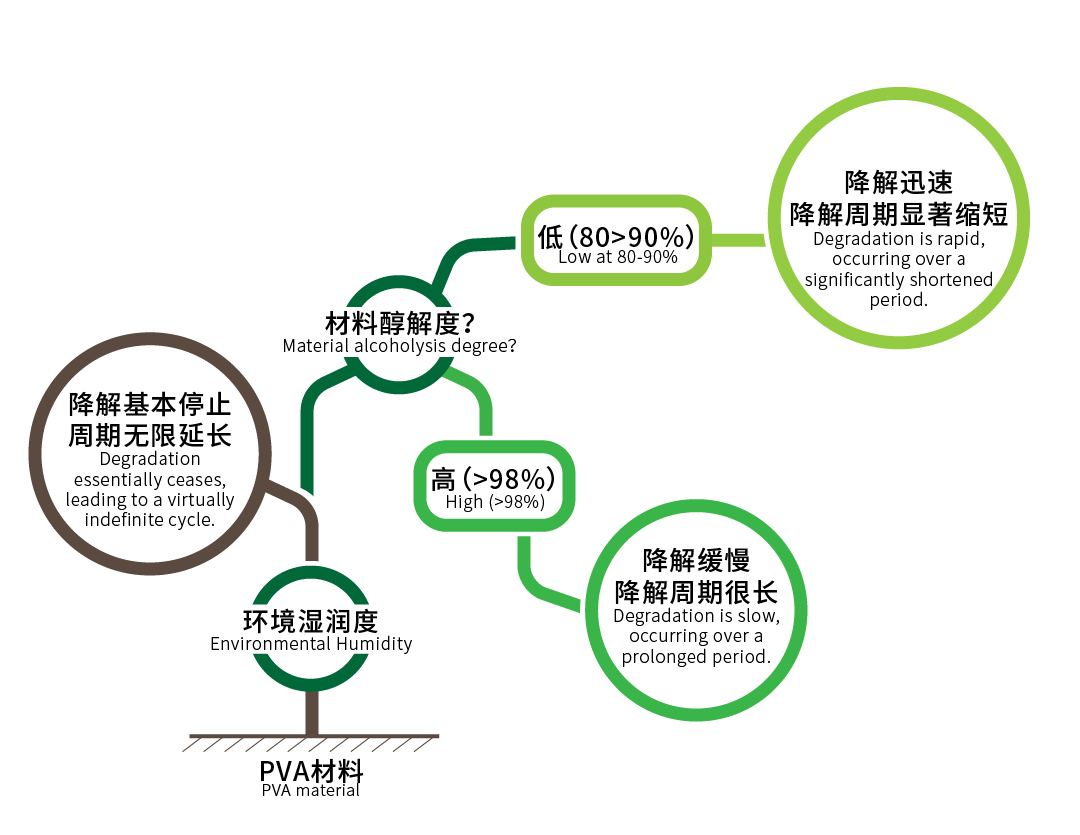
The degree of alcoholysis and moisture levels determine the degradation cycle of PVA. Low alcoholysis and high moisture conditions are more conducive to PVA degradation:
Activated sludge wastewater treatment plants
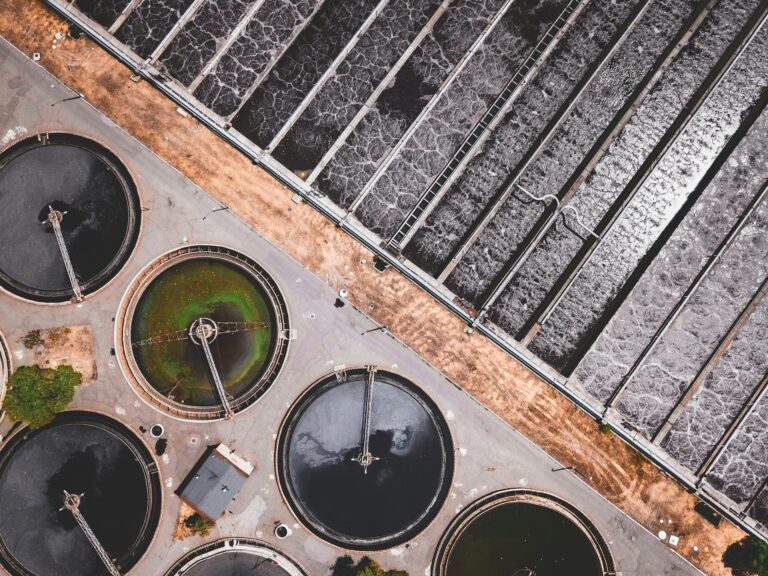
This is the most ideal environment for PVA degradation. Wastewater treatment plants are rich in diverse and efficient microbial communities, with controlled conditions (temperature, pH, nutrients, aeration), enabling efficient and rapid degradation of PVA. This is what makes it an eco-friendly material.
Anaerobic digestion environments:
In anaerobic environments such as biogas digesters, certain anaerobic microorganisms can also degrade PVA.
PVA meets global biodegradability standards
Under laboratory conditions, PVA can pass multiple international biodegradability standards. Among them, the EU EN13432 and the U.S. ASTM D6400 are widely recognized international standards for compostable plastics.
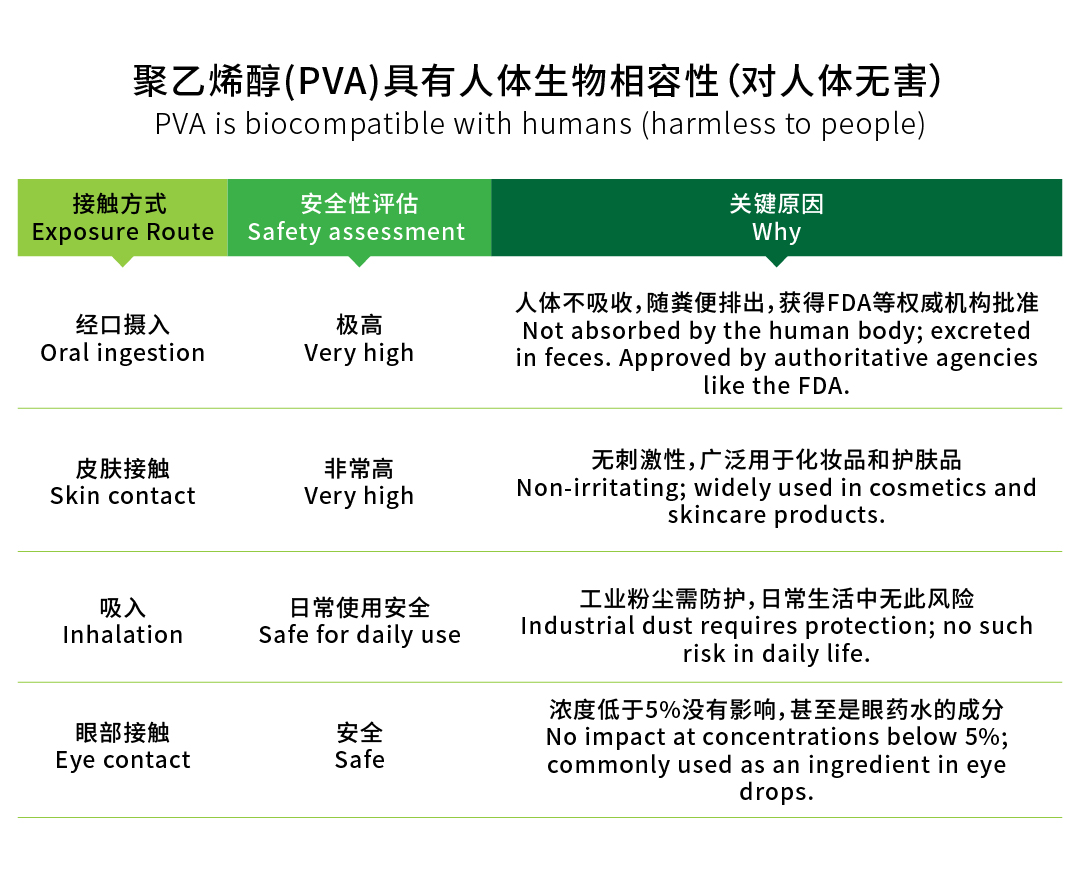
So, does PVA qualify as a microplastic?
The current view is that PVA exhibits temporary or transitional microplastic characteristics. Before complete degradation, it goes through a phase that meets the physical definition of microplastics. However, it’s not a ‘forever plastic’, as its molecular nature suggests this phase isn’t permanent. After this phase, it breaks down into water and CO2.
Inherent Biodegradability
It’s PVA’s key differentiation with ordinary plastics. Traditional microplastics (ie. PE, PP, PS) have polymer structures resistant to microbial attack, allowing them to persist in the environment for centuries. In contrast, PVA has an inherent and proven biodegradation pathway. Under suitable conditions (e.g., in wastewater treatment plants), specific microorganisms can utilize it as a carbon and energy source, ultimately mineralizing it completely into CO₂, water, and biomass.
Fundamental Difference: Temporary Plastic vs. Persistent Plastic
Unlike PVA, traditional microplastics are permanent; they cannot disappear from the environment but instead accumulate and break into smaller pieces. PVA micro-fragments are temporary. They represent an intermediate state, not an end-product. As long as environmental conditions are suitable, they will continue to degrade until they break down into CO2 and water.
PVA’s harmless degradation byproducts
The byproducts of PVA’s complete degradation are carbon dioxide and water, which are harmless to the environment. In contrast, traditional plastics may release (1) toxic additives or (2) monomers during degradation.